 Claude
 Azure AI
 Cloudinary
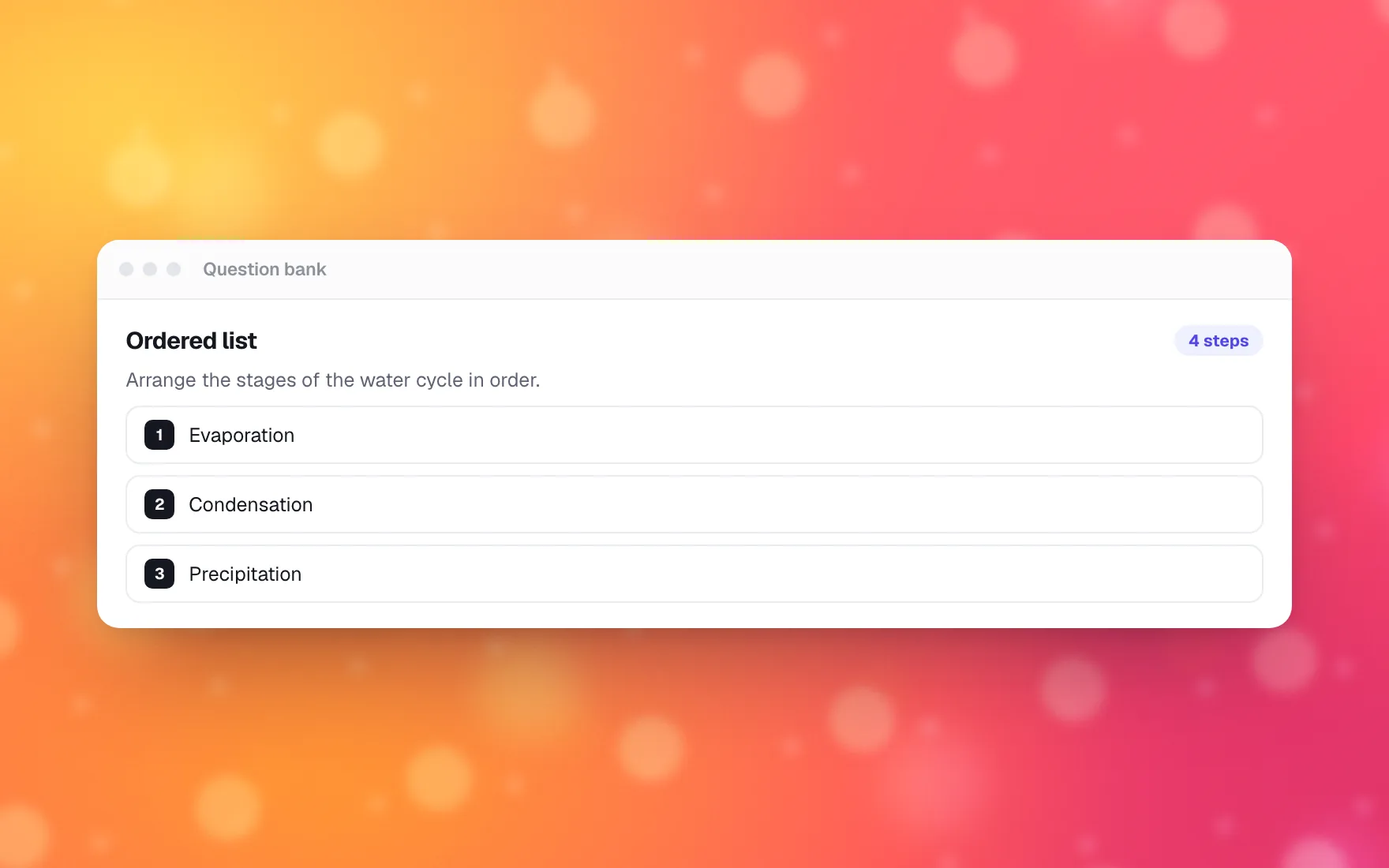
Author the quiz.
Thirteen question types, mathematical notation, images and video. Build a bank once and reuse it across every quiz that needs it.
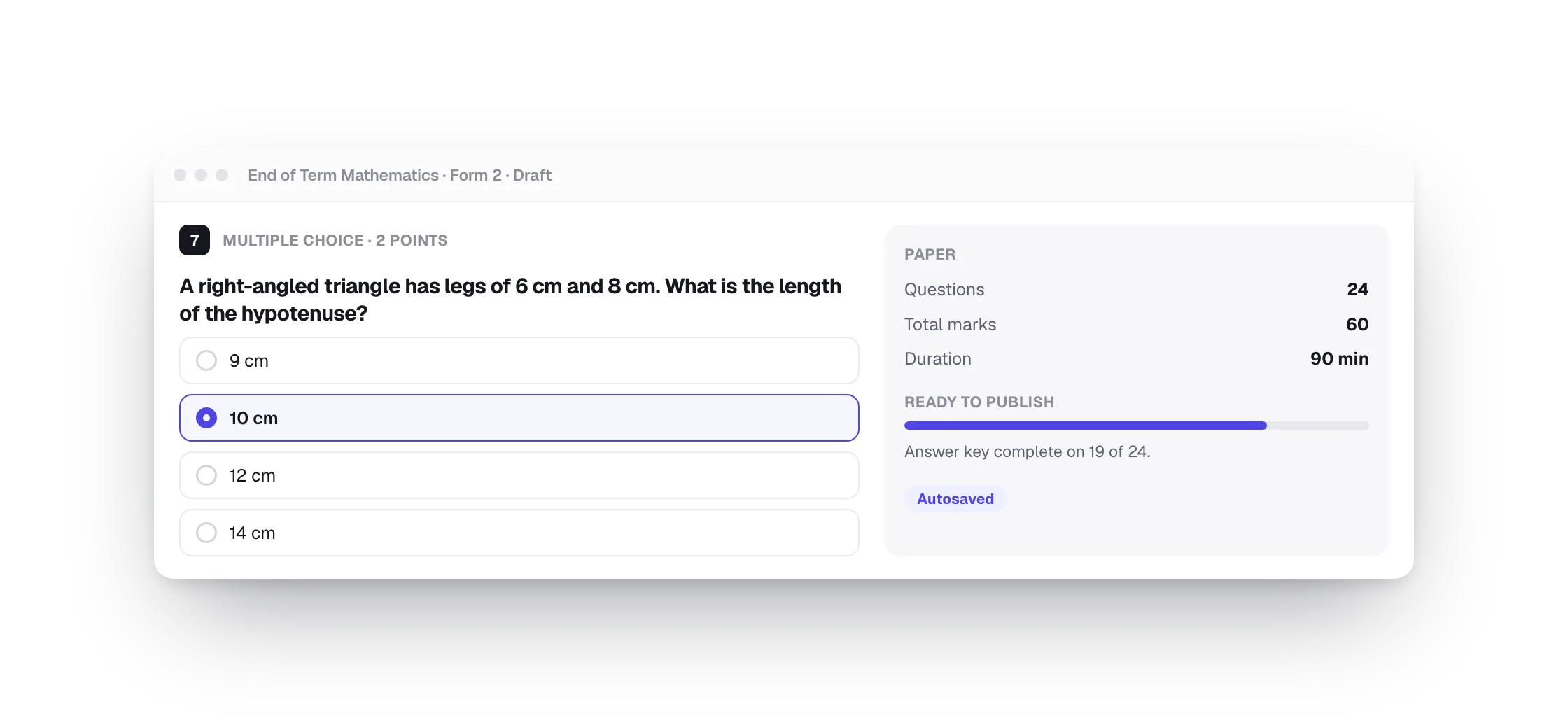
Author it, sit it, mark it, report it. One record throughout.
Questions, candidates, marks and money share a single tenant-aware database.
There is no nightly import and no reconciliation spreadsheet. A mark entered on the results screen is the same mark the report card prints, the API returns and the audit log remembers.
Thirteen question types, mathematical notation, images and video. Build a bank once and reuse it across every quiz that needs it.
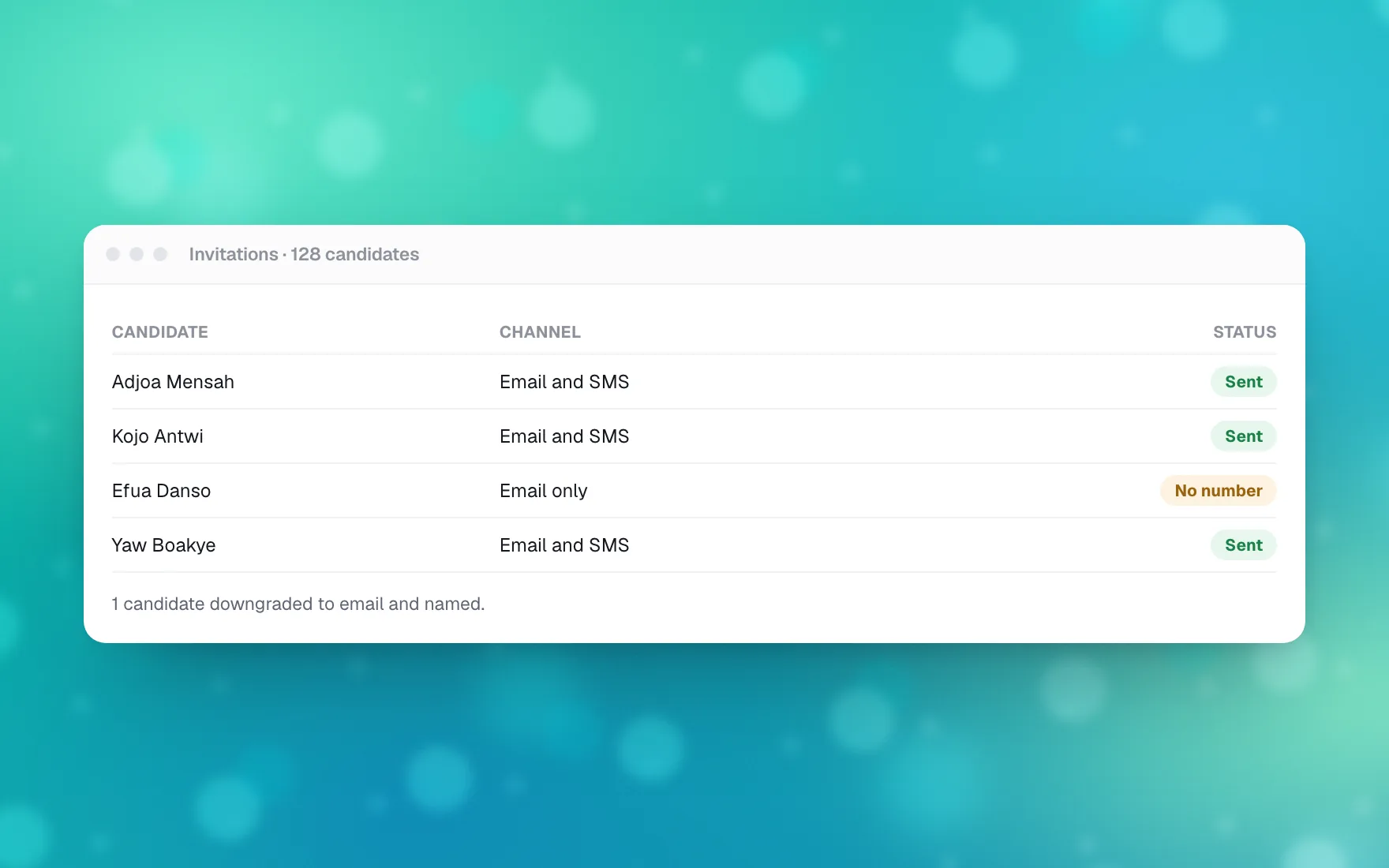
Invite by email, by SMS, or by both. A candidate with no number is downgraded to email and named, never quietly dropped.
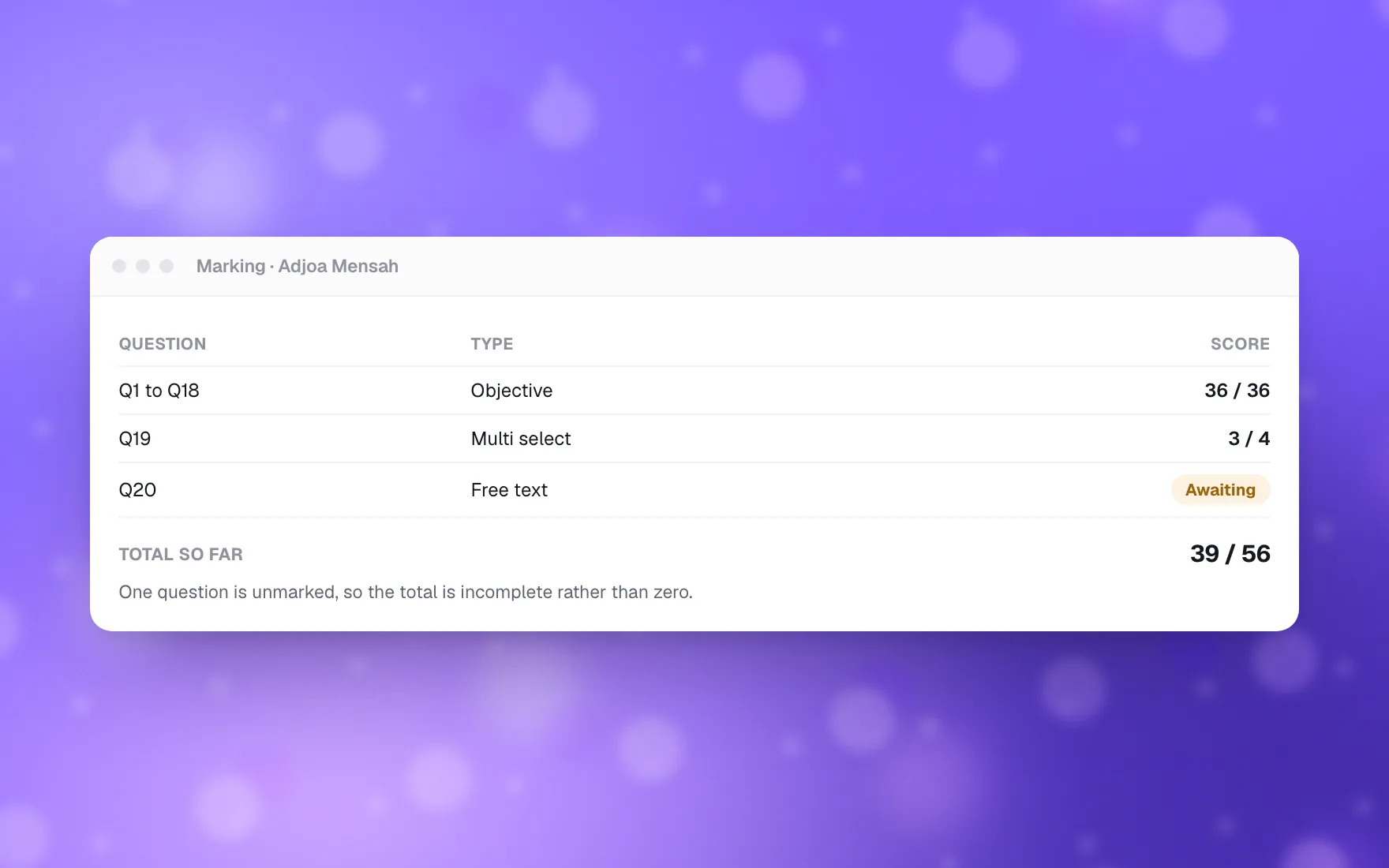
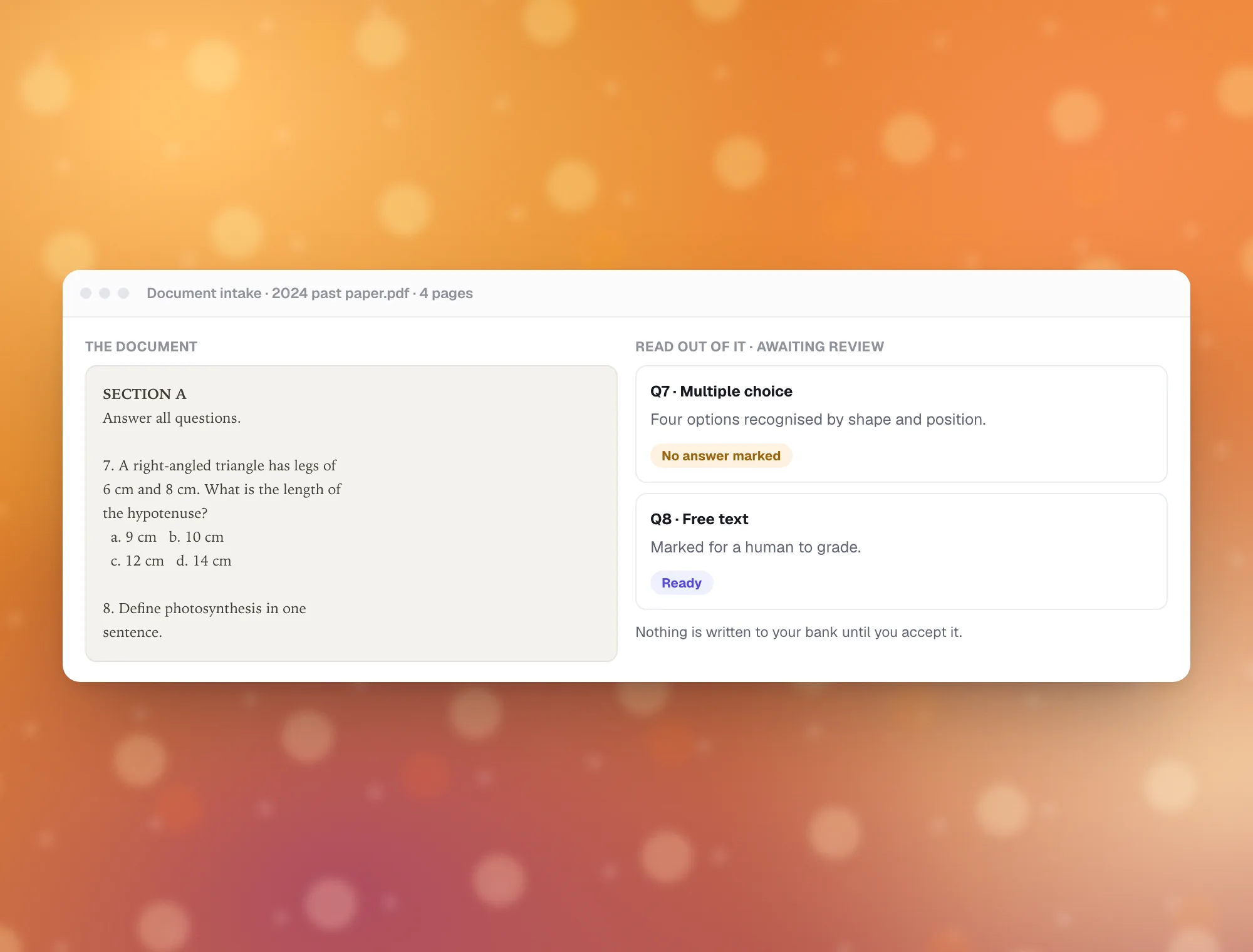
Objective questions score themselves the moment a quiz is submitted. Free text waits for a human, and the total says so rather than counting it as zero.
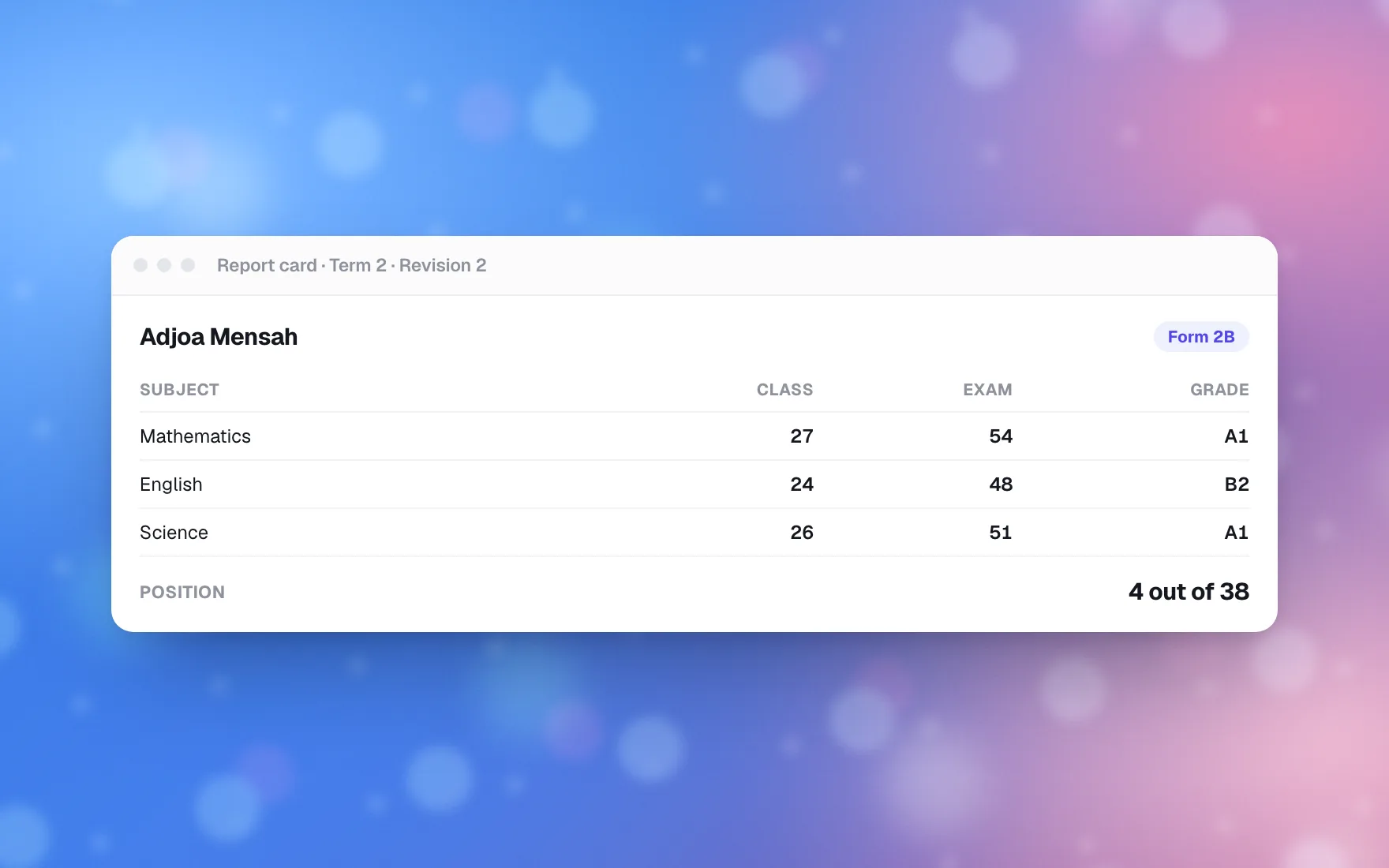
Terminal report cards, certificates and fee statements, generated from the marks already on the record and frozen the moment they are published.
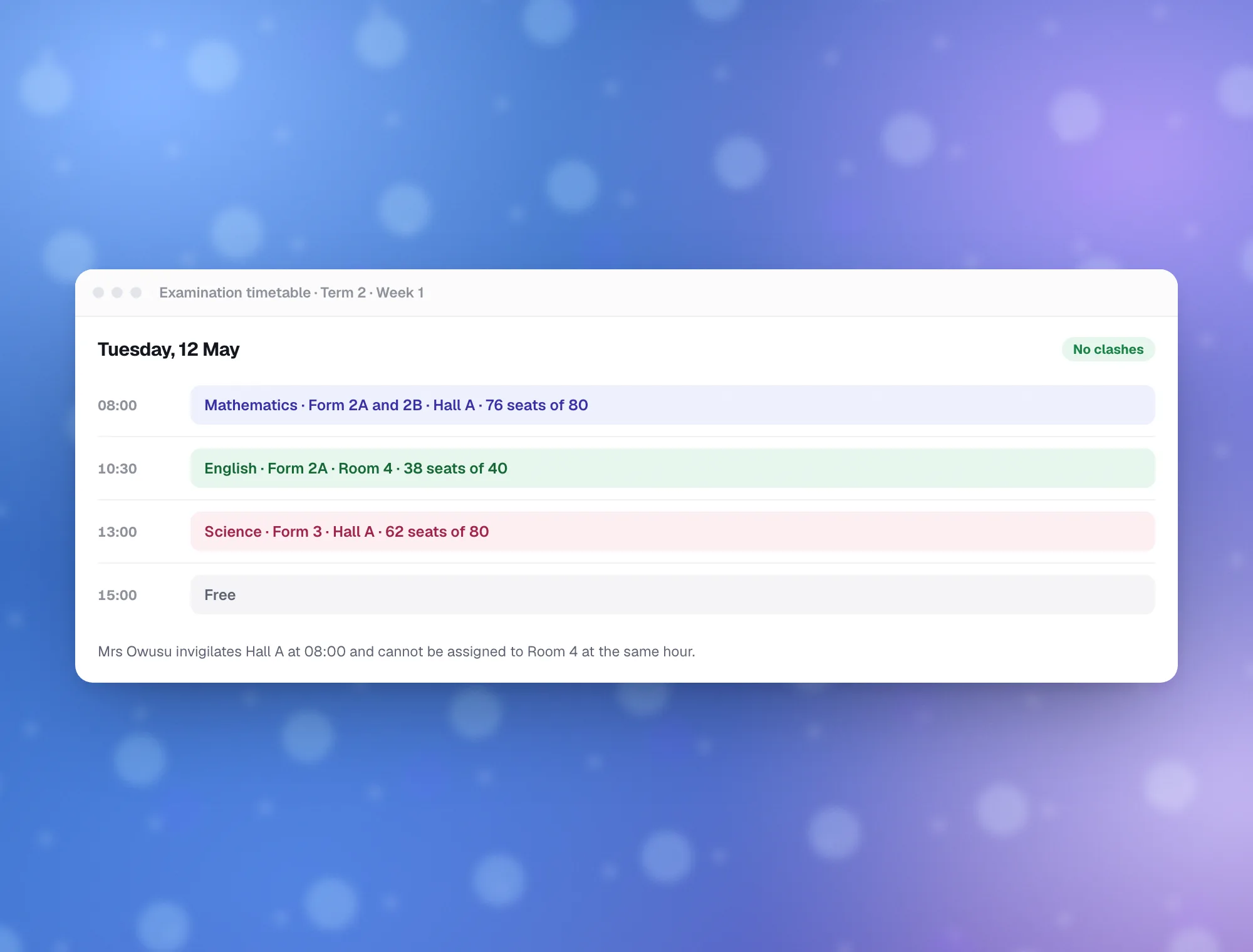
The School Examination add-on turns the platform into something a headteacher recognises.
A document you already have is a source, not a blank page.
Thirty-nine endpoints, scoped keys and outbound webhooks.
The OpenAPI document and the router are asserted against each other in both directions. A route missing from the specification fails the build, and so does a documented route that no longer exists.
# List the quizzes a key is scoped to read
curl https://quizmaster.clickerapps.com/api/v1/quizzes \
  -H "Authorization: Bearer qm_live_..."

# 403 if the key does not hold quizzes.read.
# 403 too if its service user lacks the permission.Four promises, each of them enforced rather than asserted.
Re-publishing writes the next revision and leaves the last one untouched. A position in the group is derived from every other child in the room, so one correction would otherwise restate a document that has already gone home.
The application shell and the screens you were last on are cached, and writes queue locally and replay in order once the connection returns.
Each mutation runs through an audited stored procedure carrying the actor, the organisation and the location. Nothing writes to the database around it.
What a participant may be told about their own attempt is decided in one place. A position is a number out of a count, and a classmate is never named on it.
No card, no trial clock, no feature held back to force an upgrade.
Everything you need to run real examinations for a single organisation.
For groups running examinations across more than one campus.
Yes. The free plan has no time limit and asks for no card. It is the same software, not a demonstration, and the work you do on it stays yours if you later upgrade.
The screens keep working. Writes queue on the device and replay in order once the connection returns, and the candidate sees the quiz rather than an error page.
Correct the mark and publish again. That writes a new revision and leaves the issued one intact, so you can see exactly what each family was sent and when it was superseded.
Yes, on Pro. Locations sit under one organisation, results roll up across all of them, and a member of staff sees only the campuses they have been given.
Yes. Thirty-nine endpoints under /api/v1, authenticated with scoped keys, plus outbound webhooks. The full reference is published at /developers/api and needs no account to read.
Only the people you grant it to, and the candidate themselves. What a participant is shown about their own attempt is decided in one place in the code rather than per screen, and it never names anybody else.
Set the quiz. Send it home.